Peer Ambassador
:
Tatiana Mangwi.
Tatiana Mangwi.
Tatiana Mangwi.
Minority Speaker, Consultant & Author
Minority Speaker, Consultant & Author
Minority Speaker, Consultant & Author
As a woman born in Cameroon, raised in Europe, and residing in the U.S, Tatiana partners with communities, organizations, and healthcare systems to drive awareness and prevention of NCDs–the single, most dominant challenge in global health, productivity, and social equity.
As a woman born in Cameroon, raised in Europe, and residing in the U.S, Tatiana partners with communities, organizations, and healthcare systems to drive awareness and prevention of NCDs–the single, most dominant challenge in global health, productivity, and social equity.
As a woman born in Cameroon, raised in Europe, and residing in the U.S, Tatiana partners with communities, organizations, and healthcare systems to drive awareness and prevention of NCDs–the single, most dominant challenge in global health, productivity, and social equity.
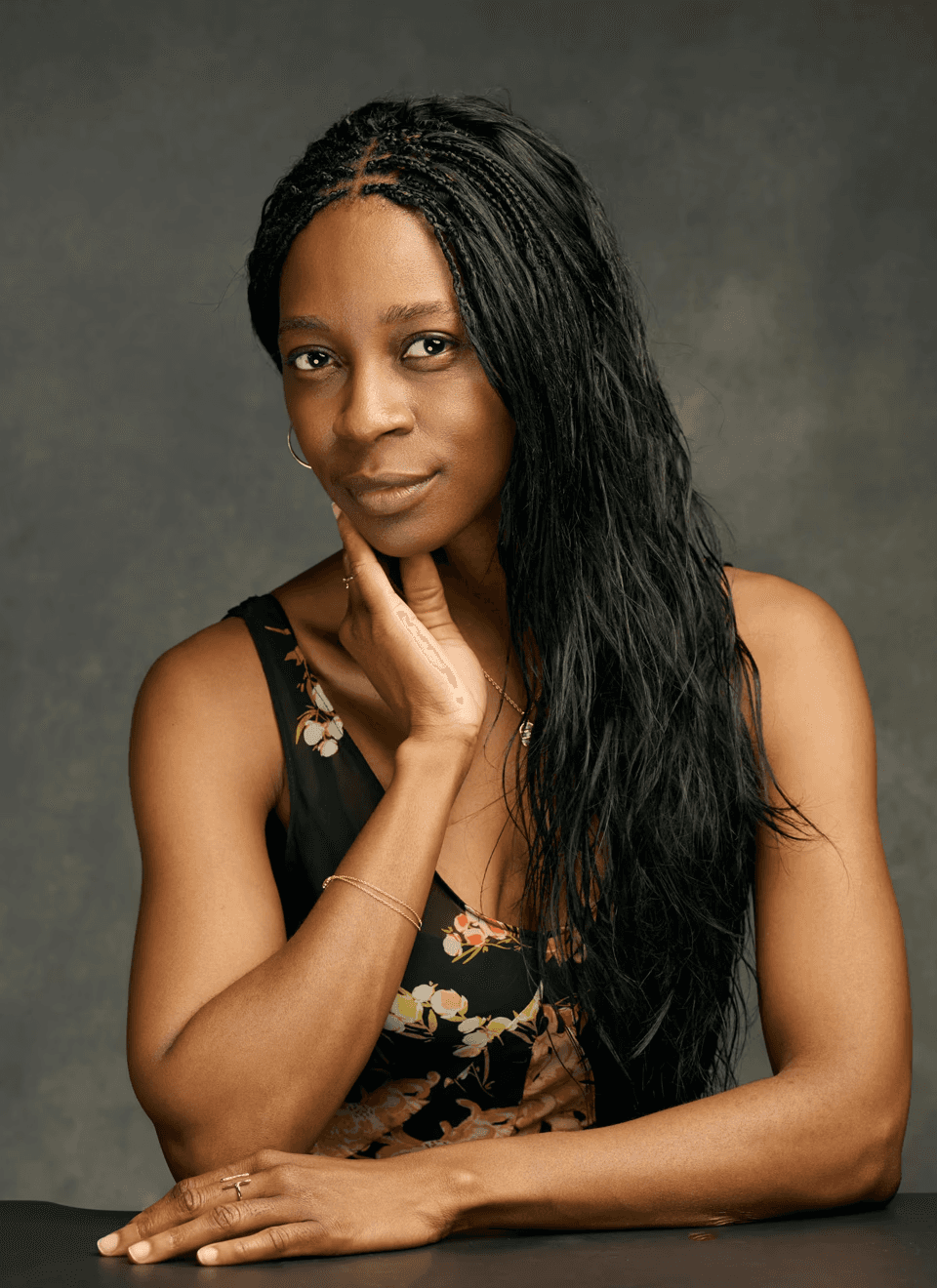
I was 33 years old when I received the diagnosis that I had Polycystic Kidney Disease (PKD). The first feeling was relief: validation of symptoms I had struggled with for years, only to be dismissed by doctors.
But relief was quickly followed by shock. The shock of learning I had something incurable. Lost in layers of grief, plagued by “what if?” questions—in that moment: I could never have imagined that I would soon uncover a terrain of hidden, systematic challenges of living with a Non-Communicable Disease.
I was 33 years old when I received the diagnosis that I had Polycystic Kidney Disease (PKD). The first feeling was relief: validation of symptoms I had struggled with for years, only to be dismissed by doctors.
But relief was quickly followed by shock. The shock of learning I had something incurable. Lost in layers of grief, plagued by “what if?” questions—in that moment: I could never have imagined that I would soon uncover a terrain of hidden, systematic challenges of living with a Non-Communicable Disease.
I was 33 years old when I received the diagnosis that I had Polycystic Kidney Disease (PKD). The first feeling was relief: validation of symptoms I had struggled with for years, only to be dismissed by doctors.
But relief was quickly followed by shock. The shock of learning I had something incurable. Lost in layers of grief, plagued by “what if?” questions—in that moment: I could never have imagined that I would soon uncover a terrain of hidden, systematic challenges of living with a Non-Communicable Disease.
Apart from growing medical bills and whirlwinds of change across my life, I came to realize a broader, cultural disconnect for people of color in healthcare–one that directly affected their testing, diagnosis, and success with treatments.
Amongst immigrants: there was a deep-seated stigma around voicing your suffering. And within healthcare: doctors often had boxed-in views and communication gaps with minority patients, while non-inclusive trials and treatments failed to account for their physiological differences.
Apart from growing medical bills and whirlwinds of change across my life, I came to realize a broader, cultural disconnect for people of color in healthcare–one that directly affected their testing, diagnosis, and success with treatments.
Amongst immigrants: there was a deep-seated stigma around voicing your suffering. And within health-care: doctors often had boxed-in views and communication gaps with minority patients, while non-inclusive trials and treatments failed to account for their physiological differences.
When minority people see someone who ‘looks like them’ being honest about their chronic illness: it creates a deep, tangible shift in how they engage with healthcare. This shift is what’s needed if we’re to tackle a disease that disproportionately affects minorities.
As a speaker and consultant on NCDs, my work is to share authentic stories and resources with communities, while providing insights and strategic communication to organizations and healthcare systems–to drive for change at every level; our only practical way forward.
When minority people see someone who ‘looks like them’ being honest about their chronic illness: it creates a deep, tangible shift in how they engage with healthcare. This shift is what’s needed if we’re to tackle a disease that disproportionately affects minorities.
As a speaker and consultant on NCDs, my work is to share authentic stories and resources with communities, while providing insights and strategic communication to organizations and healthcare systems–to drive for change at every level; our only practical way forward.
“Just keep going”
“Others have it worse”
“You don’t look sick”
“Maybe you just need to relax”
“Just keep going”
“Others have it worse”
“You don’t look sick”
“Maybe you just need to relax”
“Just keep going”
“Others have it worse”
“You don’t look sick”
“Maybe you just need to relax”
The day I was told I had an incurable illness
01
The day I was told I had an incurable illness
01
Uncovering cultural stigma & healthcare inequity
02
Bringing representation & resources for NCDs
03
Uncovering cultural stigma & healthcare inequity
02
Bringing representation
& resources for NCDs
03
The day I was told I had an incurable illness
01
02
03
Uncovering cultural stigma & healthcare inequity
Bringing representation
& resources for NCDs